



Why “Excel-Only” is Holding Your Analytics Strategy Back
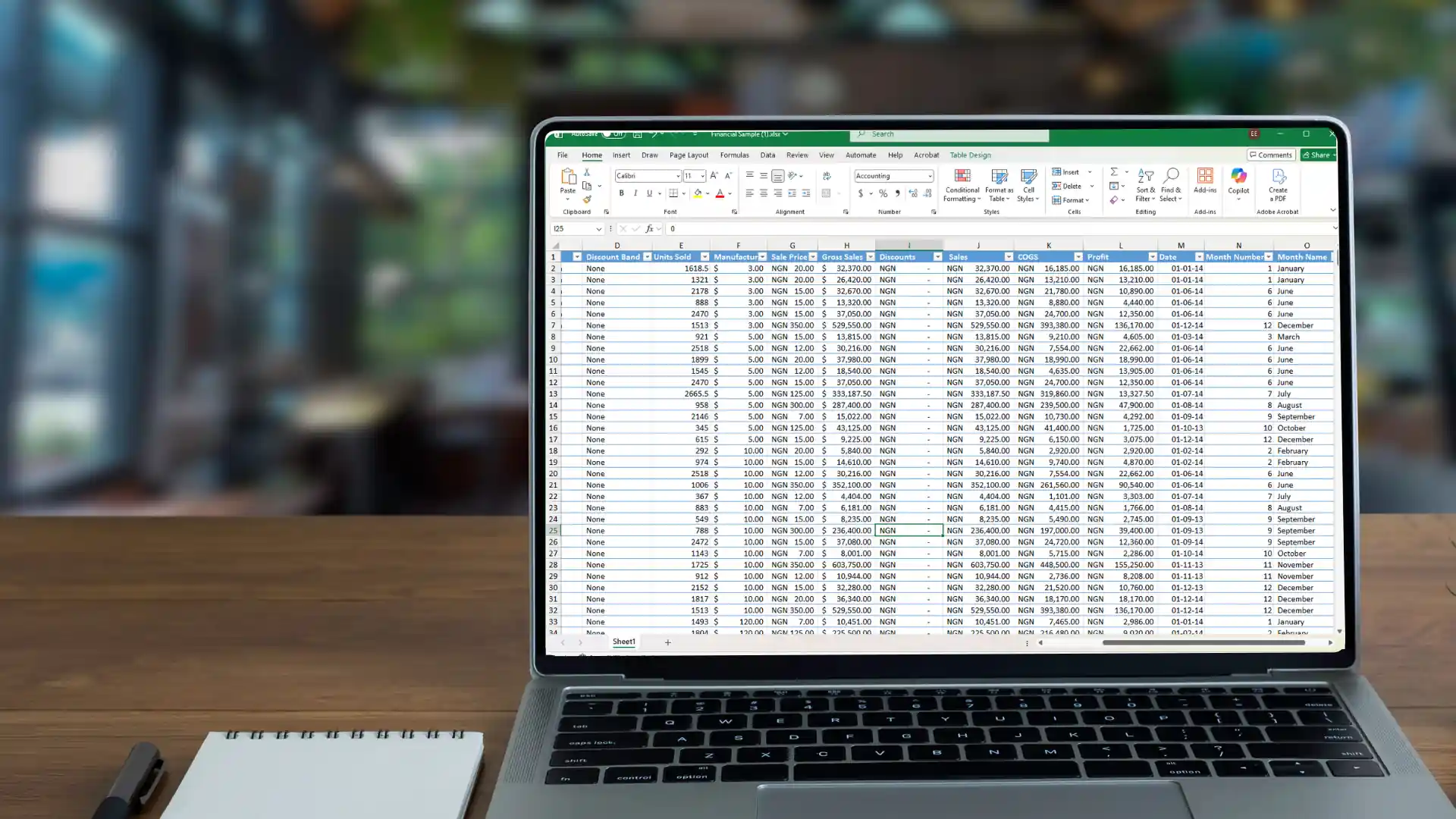
The Hidden Cost of the Status Quo Every business starts with Excel. It is the world’s most versatile “blank canvas,” serving as the de facto database for everyone from solopreneurs to Fortune 500 departments. But for a growing firm, Excel eventually transitions from a tool into a bottleneck. This is the “Spreadsheet Ceiling” the point where the complexity of your data exceeds the capabilities of a grid-based interface. If your analysts spend 80% of their time “cleaning” data and only 20% actually deriving insights, your firm is losing money on every hour billed.
Every business starts with Excel. It’s the world’s most popular database, but for a growing firm, it’s also your biggest bottleneck. If your team spends 80% of their time “cleaning” data and only 20% analyzing it, you’ve hit the Spreadsheet Ceiling.
The Perils of Fragmented Data The most dangerous by-product of an Excel-reliant culture is the death of the “Single Source of Truth.” When five different departments have five different versions of the same “Master File,” the organization loses its ability to move in a unified direction. Meetings are no longer spent discussing strategy; they are spent arguing over whose numbers are correct. This fragmentation is compounded by the risk of manual error. Research suggests that nearly 88% of spreadsheets contain significant errors. In a data-driven economy, one broken formula in a hidden cell isn’t just a typo, it’s a multi-million dollar liability that can lead to disastrous miscalculations in procurement, payroll, or projection.
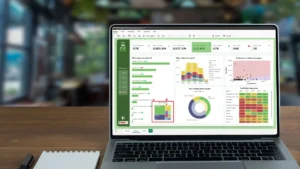
Beyond Static Reporting Excel is inherently “backward-looking.” It tells you what happened last month or last quarter, but it lacks the real-time connectivity required for modern deployment. A deployed Business Intelligence (BI) dashboard, by contrast, is a living organism. It connects directly to your cloud databases, CRMs, and ERPs, providing a “right now” view of your operations. Moving beyond the spreadsheet ceiling isn’t about deleting Excel, it’s about elevating it. It’s about training your team to move from manual data entry to automated pipelines, turning “data workers” into “data strategists” who can spot a market shift before it becomes a crisis.